If you are eyeing a home in Cape Coral, insurance is not just a box to check. It can shape your monthly payment, impact your loan approval, and even determine whether you close on time. You want the waterfront lifestyle and sunny days, and you also want a clear plan for costs and coverage. In this guide, you will learn how Florida homeowners and flood insurance work together, what drives premiums in Cape Coral, and the steps to take so your policy supports your budget and financing. Let’s dive in.
Why insurance costs more in Cape Coral
Cape Coral sits on the Gulf Coast with miles of canals and low-lying neighborhoods. That exposure to tropical storms, hurricanes, storm surge, and coastal flooding raises risk compared with inland markets. Florida’s insurance market is also more expensive and volatile due to storm frequency, high reinsurance costs, and past litigation trends that pressured carriers.
When private options are limited or costly, some buyers turn to Citizens Property Insurance, Florida’s state-backed insurer of last resort. It can be a useful safety net, but it is not a long-term replacement for private coverage. Planning ahead helps you compare options before you are up against a closing deadline.
What your homeowners policy covers
Most Florida buyers secure an HO-3 style homeowners policy. You should expect:
- Dwelling coverage to rebuild or repair the structure.
- Coverage for other structures like a detached garage or shed.
- Personal property coverage with options for replacement cost.
- Personal liability protection.
- Loss of use coverage to pay for temporary housing after a covered loss.
Many Florida policies include a hurricane or named-storm deductible. This is often a percentage of your dwelling coverage rather than a flat dollar amount. You will also choose an all-other-peril deductible for non-storm losses.
What is not covered
Standard homeowners policies do not cover flood or storm surge. Wear and tear is excluded. Earth movement and sewer backup may require special endorsements. If you are near water or in a low-lying area, plan on a separate flood policy in addition to your homeowners policy.
Flood insurance basics in Cape Coral
Flood insurance is a separate purchase through the National Flood Insurance Program or private flood carriers. If your home is in a FEMA Special Flood Hazard Area and you have a federally regulated loan, flood insurance is required to close. Even outside high-risk zones, waterfront and low-elevation properties face flood exposure you should consider.
- Pricing has shifted to more risk-based models that consider elevation and building characteristics.
- NFIP policies typically have a 30-day waiting period unless you are buying a home and meet specific exceptions.
- Coverage caps may apply. Some buyers layer excess flood coverage for higher-value homes.
What drives Cape Coral premiums
Insurance pricing is personal to the home. In Cape Coral, these factors carry significant weight:
- Wind and hurricane exposure based on location and distance to the coast.
- Flood risk and elevation, especially for canal and waterfront homes.
- Replacement cost of the structure and local reconstruction costs.
- Roof age, type, attachment methods, and condition.
- Opening protection like impact-rated windows or verified shutters.
- Claims history for the property and your insurance score.
- Market availability of carriers at the time you shop.
Newer homes built to modern Florida Building Code often qualify for lower wind-related premiums because they include stronger construction standards and tested openings. Older homes may need inspections and updates to access meaningful discounts.
How insurance affects your mortgage
Your lender will require proof of hazard insurance before closing. Coverage limits usually need to meet or approach the home’s replacement cost. If coverage is insufficient, the lender can require changes or force-place a policy, which is usually more expensive and offers limited protection.
Lenders often escrow insurance alongside taxes, so your premium affects your monthly payment. Underwriting uses your full housing cost, also known as PITI. A higher premium can push your debt-to-income ratio above qualifying thresholds. Flood insurance is mandatory for loans on homes in FEMA-designated Special Flood Hazard Areas. Without flood insurance where required, you cannot close.
Inspections and reports that help you bind and save
Insurers may request inspections to confirm condition and risk-mitigation features. Collect these early when possible, especially if the home is older or near water.
- Wind mitigation inspection. Documents wind-resistant features like roof-to-wall connections, roof shape, secondary water barrier, and opening protection. Verified features can earn credits.
- Four-point inspection. Common for older homes. Reviews roof, HVAC, electrical, and plumbing.
- Roof certification. Confirms remaining useful life. Often required for older roofs.
- Elevation certificate. Useful for flood insurance pricing. Shows your structure’s elevation relative to base flood elevation.
- Claims history. Ask for seller disclosures or a prior claims report when available.
Mitigation features that earn discounts
- Impact windows or verified hurricane shutters.
- Roof-to-wall connectors like clips or straps and rated truss ties.
- Secondary water resistance under the roof covering.
- Newer, code-compliant roof coverings.
- Hip roof shapes that resist wind uplift.
- IBHS Fortified features when documented.
Upgrades you complete after closing can be submitted for credits at renewal. Keep permits and contractor invoices in your records.
Smart shopping timeline for buyers
The best time to start is before you fall in love with a house. Use this practical checklist.
Early action during your home search
- Ask for roof age, recent permits, and any wind mitigation or four-point reports.
- Request preliminary quotes from two to three licensed Florida insurance agents. Include homeowners and flood if relevant.
- Share your lender’s coverage requirements, deductible rules, and loss-payee details with your insurance contacts.
- Consider an insurance contingency if you need time to secure acceptable coverage or pricing.
After you go under contract
- Secure binding evidence of insurance with your lender named as mortgagee.
- Order an elevation certificate early if flood coverage is likely.
- If the roof is older, schedule a wind mitigation inspection and roof certification to support credits and insurer eligibility.
- Compare NFIP and private flood options. Confirm waiting periods and binding timelines so coverage starts on schedule.
Cost control before you bind
- Evaluate deductibles. A higher all-other-peril deductible may lower premiums, but understand your out-of-pocket costs. For hurricane or named-storm deductibles, verify the percentage and calculate the dollar impact on your dwelling limit.
- Review endorsements like ordinance or law coverage, water backup, and increased replacement cost. Some add small cost for big protection.
- Consider an umbrella policy for added liability once your homeowners policy is set, especially for waterfront properties.
Special notes for waterfront and condo buyers
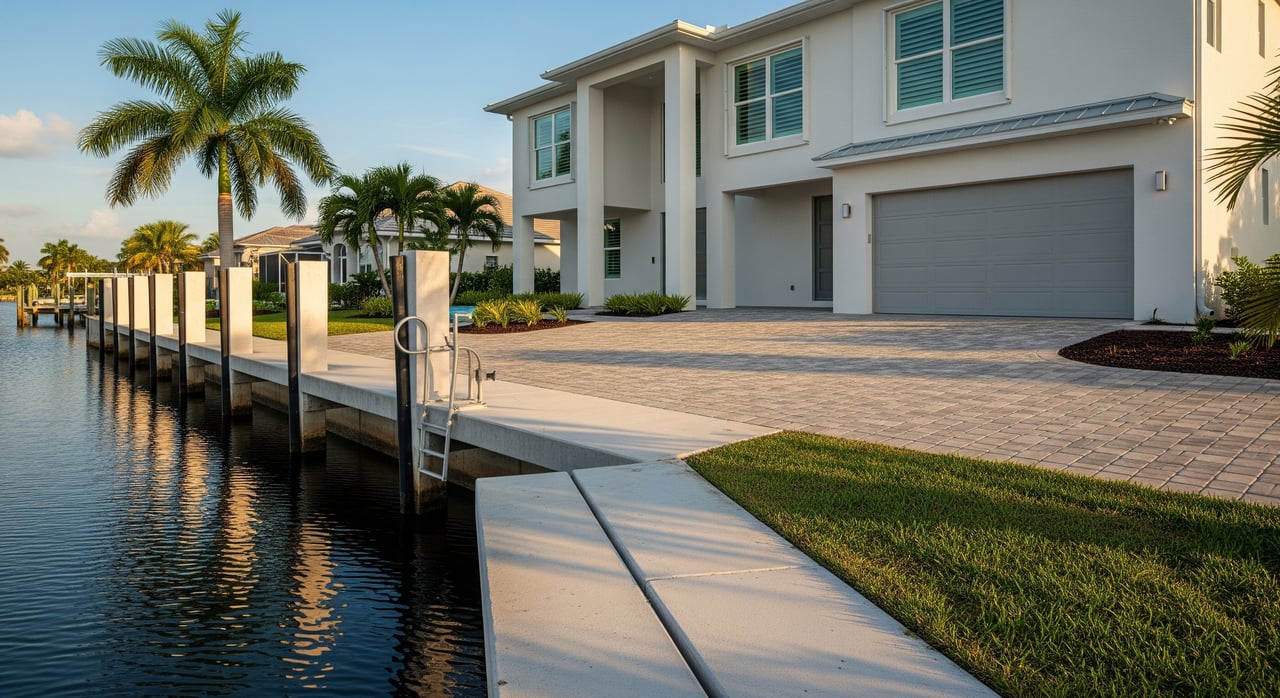
Cape Coral’s canal lifestyle comes with unique considerations. Insurers may look closely at seawall condition, water intrusion risks, and elevation of utilities. Raising HVAC and electrical systems above flood elevation reduces potential loss and can help with underwriting.
For condos, clarify what the association’s master policy covers. Many buyers need an HO-6 policy for interior finishes, personal property, loss of use, and personal liability. Ask your lender and insurance agent to review the condo documents so you insure the right items without redundancy.
How to read your hurricane deductible
Many Florida policies show a named-storm or hurricane deductible as a percentage of Coverage A, your dwelling limit. For example, a 2 percent hurricane deductible on a home insured for replacement at 500,000 equals a 10,000 deductible for a storm loss. That deductible typically applies only to hurricane or named-storm damage and is separate from your all-other-peril deductible. Confirm triggers, percentages, and whether the deductible is applied per season or per occurrence with your insurer.
Make insurance part of your offer strategy
In a competitive market, an early insurance review can prevent last-minute surprises and strengthen your negotiating position. If you discover that a roof replacement or shutter installation unlocks lower premiums, you can negotiate credits, adjust your offer, or plan upgrades after closing. Building insurance into your due diligence shows you are an informed buyer and helps you keep your monthly payment within target.
A smoother path to closing
Good coverage, fair pricing, and on-time binding come from preparation. Start quotes early, gather inspections, and coordinate with your lender on coverage requirements and escrow timing. When you are ready, a streamlined plan helps you close with confidence and fully enjoy the Cape Coral lifestyle.
If you want a hands-on partner to align insurance steps with your home search and financing, connect with Andrew Derminio. Schedule a free consultation and get a custom plan for your purchase timeline, inspections, and coverage coordination.
FAQs
How does Florida homeowners insurance affect my monthly payment in Cape Coral?
- Your premium is added to your escrow, so higher insurance costs raise your monthly PITI and can change your loan qualification.
Do I need flood insurance to buy a home near Cape Coral’s canals?
- If the home is in a FEMA Special Flood Hazard Area and you use a federally regulated loan, flood insurance is required to close. It is also wise to consider flood coverage even outside high-risk zones.
What is a hurricane or named-storm deductible in Florida?
- It is often a percentage of your dwelling coverage that applies only to hurricane or named-storm losses, separate from your standard deductible.
Can I lower my premium on an older Cape Coral home?
- Yes. Document wind mitigation features, get a roof certification, add impact-rated shutters or windows, and shop multiple carriers to find accepted credits.
What happens if I cannot secure insurance before closing?
- The lender can delay closing or place force-placed coverage that is usually more expensive and offers limited protection.
Is Citizens Property Insurance a good option for Cape Coral buyers?
- Citizens is Florida’s insurer of last resort and can provide coverage when private options are limited. Keep shopping and consider mitigation upgrades to move to a private carrier when available.