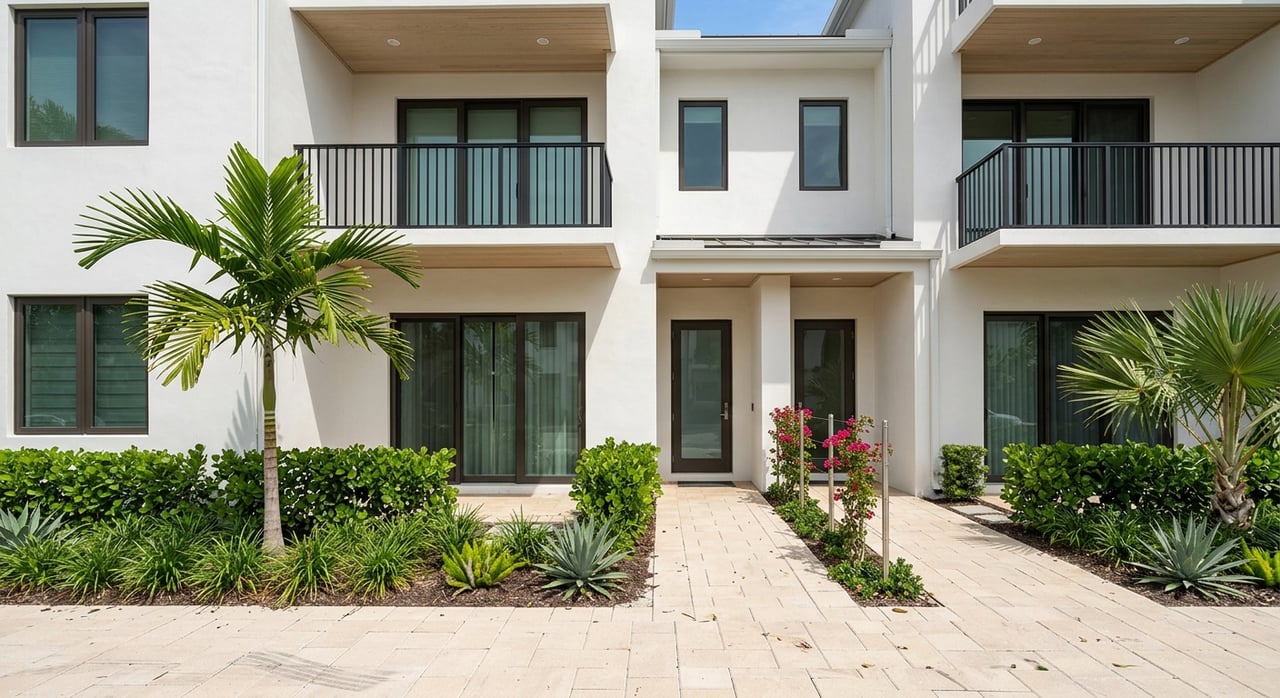
Thinking about buying an Estero condo or townhome for rental income? The opportunity is real, but this is not a market where headline rent tells the whole story. If you want a property that works on paper and in real life, you need to weigh seasonality, association rules, flood risk, and operating costs before you buy. Let’s dive in.
Why Estero draws rental investors
Estero offers a mix of low-maintenance housing, strong seasonal traffic, and a location that appeals to both part-time and full-time residents. At the same time, it is a selective rental market, not a broad one.
According to U.S. Census QuickFacts for Estero, the village had an estimated 38,443 residents in 2024, an 86.0% owner-occupied housing rate, median household income of $104,102, and 51.9% of residents age 65 or older. That high owner-occupancy rate suggests you are not buying into a renter-heavy market, which makes property choice and community rules especially important.
Recent rent data also shows a decent income range, but not unlimited pricing power. RentCafe reported average asking rent at $2,328 in March 2026, while Zillow showed average rent at $2,575 and a median sale price of $510,750 in February 2026. For you as an investor, that means careful underwriting matters because rent and purchase price do not always leave a wide margin for error.
Estero rental demand has two lanes
One of the biggest things to understand about Estero is that rental demand is not one-size-fits-all. In many cases, you are looking at two different demand patterns: year-round renters and seasonal renters.
The Village of Estero’s 2024 water-supply work plan estimated a 2023 permanent population of 37,507 and a peak seasonal population of 56,035. The report also notes that the seasonal period generally runs from November through April, with demand supported by outdoor recreation and shopping.
That seasonal swing lines up with broader Florida rental patterns. Florida Realtors reports that rental demand often strengthens in winter as snowbirds return, and beach-area rents can rise 20% to 50% before easing in summer. While every Estero community is different, this pattern helps explain why some investors target furnished seasonal rentals while others prefer annual leases.
Seasonal vs annual rental strategy
Before you buy, decide what type of rental business you actually want to run. A seasonal strategy and an annual strategy can produce very different results, even in the same area.
Seasonal rentals can boost gross income
A well-located, well-furnished condo or townhome may capture stronger winter pricing when demand rises between November and April. That can be appealing if you want to maximize top-line revenue during peak months.
But higher gross rent does not automatically mean better net income. Seasonal leasing often brings more turnover, more cleaning, more utility costs, and more vacancy risk between tenants. If you live out of town, it can also require more hands-on coordination.
Annual rentals can offer steadier operations
An annual lease often gives you simpler operations and more predictable occupancy. That can be a strong fit if your priority is consistency rather than chasing peak-season pricing.
For many owners, especially out-of-area investors, a year-round tenant can reduce the day-to-day workload. If you are balancing cash flow with convenience, that trade-off may be worth it.
Association rules can make or break returns
In Estero, condo and townhome investing is rarely just about the unit itself. The governing documents of the community can directly affect whether your rental plan is even allowed.
Florida treats condos and HOAs under different legal frameworks, so it is important to confirm what type of property you are buying. Under Florida condo law, condo owners, tenants, and invitees must comply with the declaration, bylaws, and association documents. Similar compliance obligations apply in HOA communities.
That matters because rental restrictions can shape your income more than market averages do. A community may limit lease frequency, require tenant approval, restrict pets, set parking rules, or prohibit certain short lease terms. If your business plan depends on furnished seasonal rentals, one line in the documents could change the numbers completely.
Questions to ask before you buy
Use these questions as a starting point during due diligence:
- What is the minimum lease term?
- Are seasonal rentals allowed?
- Are furnished rentals allowed?
- Is there a rental cap or owner-occupancy requirement?
- What are the current association dues?
- What are the reserve balances?
- Is there a history of special assessments?
- For condos, has the building completed any required milestone inspection?
- Has a structural integrity reserve study been completed where required?
These questions matter because Florida law now places added attention on building condition and reserves in certain condo properties. The state’s milestone inspection requirements and reserve planning standards can affect future ownership costs.
Insurance and flood risk need a close look
If you are underwriting an Estero rental, flood and storm risk should be part of the file from day one. This is not a detail to sort out after you go under contract.
The Village of Estero flood information page states that every property in Estero lies within a flood zone, that flooding can happen anywhere, and that standard homeowners insurance does not cover flood damage. The village also notes that flood insurance is available through the National Flood Insurance Program and that Estero participates in the Community Rating System.
For you, that means insurance costs and occupancy interruptions can affect returns even if the unit itself avoids major damage. A storm can impact access, building operations, or tenant demand. In condos especially, floor level, elevation, building insurance structure, contents coverage, and deductibles all deserve careful review.
Estero numbers require careful underwriting
It is easy to look at average rent and assume a condo or townhome should cash flow. In Estero, that shortcut can lead to disappointment.
Current market signals suggest you should underwrite conservatively. Zillow’s Estero market data showed a median sale price of $510,750 and average rent of $2,575 in February 2026, while RentCafe’s rent tracker showed $2,328 in March 2026. The research also notes some year-over-year rent softening, and Realtor.com described Estero as a buyer’s market with 314 rentals listed in February 2026.
That does not mean you should avoid the market. It means you should rely on unit-level comparable rents, actual association budgets, and realistic insurance estimates instead of broad averages alone. In a market like this, good buying discipline matters more than optimism.
What makes a stronger rental candidate
Not every Estero condo or townhome is a strong investment property. The better candidates usually share a few practical traits.
Clear leasing rules
You want a community where the rental process is easy to understand and fits your plan. If the documents clearly outline lease terms, approvals, and tenant requirements, you can project income with more confidence.
Manageable dues and reserves
Association fees are part of your operating cost, not a side note. A community with reasonable dues and healthy reserves may be easier to hold long term than one with lower dues but deferred maintenance or special-assessment risk.
Insurance that supports the numbers
If the flood and hazard insurance picture stretches the monthly budget too far, the investment may not work even with solid rent. Strong underwriting should test insurance costs before you commit.
A unit that fits demand
In a selective market, product-market fit matters. A clean, updated, low-maintenance unit in a community that aligns with either seasonal or annual leasing goals will often perform better than a property bought just because the list price looked attractive.
Why local guidance matters in Estero
If you are buying from out of area, Estero can be harder to read than it looks online. The right property is not just about location on a map. It is about lease rules, carrying costs, seasonal demand, and how the community operates in real life.
That is where local guidance can save you time and money. With the right support, you can compare opportunities based on actual rental fit, not just photos or asking rent. You can also avoid communities where restrictions or costs undermine the investment.
If you are exploring Estero condos or townhomes for rental income, Andrew Derminio can help you evaluate properties with a practical, investor-focused lens and a high-touch approach that keeps the process clear from search to closing.
FAQs
What makes Estero different for rental property investing?
- Estero has a high owner-occupancy rate, a relatively small renter base, and a strong seasonal population swing, so your rental strategy, community rules, and underwriting matter more than headline rent alone.
What is the average rent for condos and townhomes in Estero?
- Recent market trackers cited in this article reported average asking rents of $2,328 from RentCafe in March 2026 and $2,575 from Zillow in February 2026, but actual rent depends on the unit, community, and lease structure.
Are seasonal rentals allowed in all Estero condo communities?
- No. Whether seasonal rentals are allowed depends on the specific condo or HOA governing documents, including lease minimums, approval rules, and any rental restrictions.
Why are association documents important for Estero investors?
- Association documents can affect lease terms, tenant approvals, parking, pet rules, guest policies, and other issues that directly shape your rental income and operating flexibility.
How does flood risk affect rental property investing in Estero?
- The Village of Estero says every property is in a flood zone, so flood insurance, deductibles, elevation, and the potential for storm-related occupancy disruption should all be part of your financial analysis.
Is an annual or seasonal lease better for an Estero rental?
- It depends on your goals. Seasonal leasing may offer higher peak pricing, while annual leasing may provide steadier occupancy and simpler operations.