Dreaming of sunrise on the harbor and quick runs to the Gulf? Waterfront living in Port Charlotte can deliver that lifestyle, but the best buys start with smart planning. You want clear access for your boat, confidence in the seawall and dock, and insurance that fits your budget. This guide walks you through what to check, what to expect, and how to move from search to keys with fewer surprises. Let’s dive in.
How Port Charlotte waterfronts differ
Canal, harbor, or basin frontage
Port Charlotte sits on Charlotte Harbor, a major estuary that opens to the Gulf of Mexico. Properties may front tidal canals that connect to the harbor, overlook open harbor water, or sit near deeper basin areas. Each setting affects navigation, exposure to wind and tides, and the size or draft of boats you can comfortably operate. Knowing your frontage type helps you match the home to your boating plans.
Boating constraints to check
Nearby bridges, canal width and depth, and no-wake or manatee protection zones can shape daily use. Some canals are shallower or silted in spots, which may limit boat draft or require timed departures around tides. Marked channels in Charlotte Harbor guide safe navigation, but you still want to confirm depth from dock to channel. If you plan a larger boat or lift, verify measurements early.
Lifestyle and access to services
Marinas, fuel, bait shops, guides, and waterfront dining are part of the draw here. Some neighborhoods allow private docks with direct harbor access; others rely on community ramps or marina slips. For relocators, regional access matters too. Punta Gorda Airport (PGD) and Southwest Florida International (RSW) serve the area, which can make seasonal travel easier.
What to evaluate before you offer
Seawalls and docks
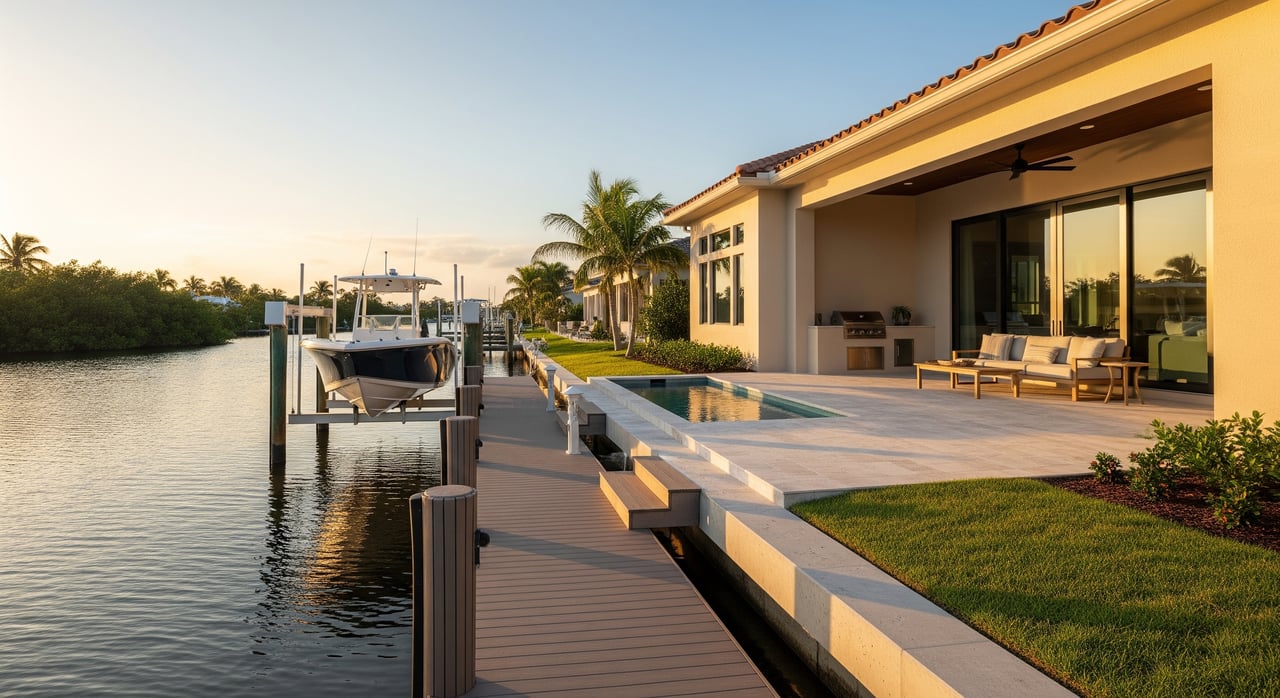
Seawalls are a major long-term cost item. Ask about age, materials, movement or cracking, and whether any repairs were engineered. Docks and boat lifts should be evaluated for structural condition, pilings, electrical, and lift capacity. If you have a target boat in mind, confirm the lift rating and slip dimensions match your needs.
Elevation, canals, and tides
A property’s elevation and lot grade influence flood risk, storm surge exposure, and insurance pricing. Canal depth and tidal range affect daily boating and whether you can leave or return at lower tides. If dredging has been done nearby, review records to understand timing, costs, and whether assessments might recur.
Legal rights and community rules
Waterfront value depends on access rights. Verify that the deed conveys riparian or littoral rights and that there are no shoreline easements that limit use. If there is an HOA or deed restrictions, review rules on dock construction, lift types, boat sizes, guest slips, and any short-term rental limits.
Permits you may need
Work on docks, boat lifts, seawalls, or dredging often requires county permits, state authorization, and sometimes federal review. Requirements depend on scope and whether submerged lands, wetlands, or navigable waters are involved. Ask for permit histories and as-built plans, then confirm current rules with the appropriate agencies before committing to major changes.
Insurance and ongoing costs
Waterfront homes often sit in FEMA flood zones where lenders typically require flood insurance if you finance the purchase. Premiums depend on building elevation, community rating, and structure characteristics. Florida policies also include wind or hurricane coverage features and deductibles. Expect higher maintenance for seawalls, docks, lifts, and exterior materials exposed to salt air.
Environmental and health factors
Water quality and algal blooms can vary by season and location in the Charlotte Harbor system. Mangroves and seagrass can limit where you build or modify structures, and these habitats are important indicators of shoreline stability. Standing water can increase pest pressure, so plan for pest control and landscape choices that reduce mosquito activity.
Home types and pricing factors
Common waterfront options
- Canal-front single-family homes with private docks, often single-story ranch or coastal cottage styles.
- Harborfront properties with bigger views and deeper water access that usually command higher premiums.
- Waterfront condos or townhomes with shared docks and community amenities that reduce personal maintenance but may include HOA fees or slip waitlists.
- Older manufactured or mobile homes in some areas where you should pay close attention to foundation, flood resiliency, and insurability.
What drives value and resale
Value varies with the view corridor, directness of harbor access, and the condition of seawalls, docks, and lifts. Canal depth, bridge clearance, and documented dredging influence desirability for boaters. Proven maintenance, clear permit histories, and elevation data strengthen resale appeal. Properties with known storm surge or flooding issues often face price resistance unless risks and costs are reflected in the list price.
Short-term rental considerations
Some buyers see rental potential in waterfront homes. Before you model income, confirm county regulations and any HOA rules on rentals. Insurance and policy limitations may also affect short-term rental use. Treat rental feasibility as a due-diligence item, not an assumption.
Your due-diligence checklist
Use this list to structure your offer timeline and contingencies:
- Confirm the type of frontage: canal, harbor, basin, or open water.
- Verify riparian or dock rights in the deed and check for shoreline easements.
- Request recorded permits for seawall, dock, lifts, and any shoreline work.
- Ask for dates of seawall construction or repairs and any engineer reports.
- Obtain or order an elevation certificate for accurate flood quotes.
- Get a general home inspection with attention to roof, exterior corrosion, and HVAC.
- Hire a marine or structural specialist to inspect seawall, dock, pilings, and lifts.
- Secure flood and wind insurance quotes before you finalize your offer.
- Confirm canal depth, bridge clearances, and route to Charlotte Harbor for your boat.
- Review HOA or deed restrictions related to docks, lifts, boat types, and rentals.
- Collect maintenance records for seawall, dock, and boatlift with receipts if available.
- Determine sewer or septic status and review service or compliance records.
- Ask about recent local water quality advisories and any dredging history or assessments.
- Understand evacuation routes and local emergency plans for hurricanes and storm surge.
How an agent adds value to your search
Permits, records, and compliance
A knowledgeable agent helps you obtain permit histories for seawalls, docks, and dredging, plus recorded as-built plans. This documentation speeds up inspections and prevents surprises on scope or compliance. You get a clearer picture before you invest in costly improvements.
Coordinating specialized vendors
Waterfront purchases rely on specialists. Your agent should connect you with marine contractors, coastal engineers, dock inspectors, and local insurance brokers who understand Charlotte County’s standards. Fast access to quotes and scheduling can save weeks.
Pricing context and negotiation
Waterfront premiums hinge on nuances like view, harbor access, and seawall age. An agent who tracks comparable waterfront sales can separate high-impact features from nice-to-haves. That knowledge supports negotiation strategies such as credits for documented seawall repairs, escrow for upgrades, or price adjustments based on inspection findings.
Setting expectations for ownership
You should enter waterfront ownership with a clear plan for insurance, maintenance, and boating capabilities. A prepared agent helps you forecast recurring costs, choose realistic boat sizes for a given canal, and plan upgrades with the right permits. Clarity now leads to smoother ownership later.
Step-by-step plan to buy with confidence
- Define your boating and lifestyle needs
- Boat size and draft, fuel access, and desired run time to open water.
- Preference for private dock vs. marina, and tolerance for no-wake zones.
- Proximity to dining, services, and airports if you travel seasonally.
- Pre-qualify financing and budget insurance
- Speak with your lender about flood-zone scenarios and wind deductibles.
- Get preliminary flood and wind quotes using available elevation data.
- Build maintenance reserves for seawall, dock, lift, and exterior upkeep.
- Target the right frontage
- Focus on canal, harbor, or basin homes that match your boat and use.
- Screen listings for bridge and depth constraints before touring.
- Shortlist homes with documented seawall and dock records.
- Tour with an inspection mindset
- Look for seawall movement, dock wear, electrical corrosion, and lift condition.
- Note canal width, neighbor dock spacing, and turning radius for your boat.
- Ask about HOA rules on docks, lifts, and boat types.
- Write a smart offer
- Include contingencies for marine inspections, permits, insurance quotes, and survey/title review of water rights.
- Request maintenance records and any engineer reports up front.
- Align closing timelines with contractor availability if work is anticipated.
- Complete due diligence
- Commission general, marine, pest, and any needed environmental reviews.
- Order an elevation certificate if one is not current.
- Reconcile inspection outcomes with insurance and repair quotes, then adjust terms if needed.
- Close and plan first-year ownership
- Schedule any immediate seawall, dock, or lift servicing.
- Set up regular inspections and a storm prep plan for hurricane season.
- Confirm marina and service relationships for smooth boating.
When you are ready to explore waterfront homes, you deserve white-glove guidance backed by local expertise. If you want a clear plan and hands-on support from search through inspections and closing, schedule a free consultation with Andrew Derminio.
FAQs
What flood insurance should I expect for a Port Charlotte waterfront home?
- Many waterfront homes are in FEMA flood zones where lenders typically require flood coverage if you finance. Premiums depend on elevation, structure details, and community factors.
How do I evaluate a seawall before buying?
- Ask for age, materials, permits, and engineer reports, then hire a marine specialist to check for movement, cracks, undermining, and tie-back condition.
Can I keep a large boat at a canal-front home in Port Charlotte?
- It depends on canal width and depth, bridge clearance, lift capacity, and no-wake or manatee zones. Verify measurements and constraints before you offer.
What permits are required for docks, lifts, or seawall work?
- Most shoreline projects require county permits, possible state authorization, and sometimes federal review depending on scope and submerged lands or wetlands.
Are short-term rentals allowed for waterfront homes in Charlotte County?
- Rules vary by location and HOA. Confirm county ordinances and community restrictions before assuming rental income.
Do tides and canal depth affect daily boating?
- Yes. Tidal range and canal siltation can limit draft at lower tides. Plan departures and returns with depth in mind and confirm your route to marked harbor channels.